
Trew Landscape Blog
How Long Does a Cedar Fence Really Last?
How Long Does a Cedar Fence Really Last? !
How Long Does a Cedar Fence Really Last?
A well-installed cedar fence with regular care typically lasts 15 to 25 years. Skip the maintenance, and that number drops to roughly 10 to 15 years, mostly because posts rot at the ground line long before the boards give out. The single biggest lever you have isn’t the wood grade or the stain color. It’s keeping the posts out of standing moisture and sticking to a sealing schedule every 2 to 3 years.
Cedar fence longevity comes down to a short list of decisions made mostly during installation and upkeep:
- Post protection (sleeves, brackets, or steel u-channel) prevents the number one failure mode: ground-line rot.
- A consistent stain or seal cycle, applied every 2 to 3 years, keeps moisture out of the grain.
- Climate and drainage around the fence line set the ceiling on how long any of that maintenance can help.
Routine maintenance can add roughly 8 to 12 years to a cedar fence’s working life compared to letting it weather untouched. That’s the difference between replacing a fence once a decade and replacing it twice in the same span.
Key Takeaways
Cedar fence longevity depends more on post protection and a consistent sealing schedule than on the wood species itself.
| Point | Details |
|---|---|
| Realistic lifespan range | Expect 15 to 25 years maintained, 10 to 15 years unmaintained. |
| Maintenance impact | Regular staining and sealing can add roughly 8 to 12 years to service life. |
| Biggest failure point | Post rot at the ground line causes most early fence failures, not board damage. |
| Repair vs. replace rule | Fix bottom-post rot with brackets; replace posts if rot extends above grade. |
| Professional installation | Trew Landscape LLC installs cedar fencing with proper post protection and offers seasonal maintenance to extend lifespan. |
Table of Contents
- What Determines Cedar Fence Longevity
- Cedar Fence Lifespan: Maintained Versus Unmaintained
- A Seasonal Maintenance Schedule That Actually Works
- Common Failure Points and When to Repair Versus Replace
- Materials Comparison: Where Cedar Fits
- Sources
- FAQ
What Determines Cedar Fence Longevity
Climate does more damage than most homeowners expect. The same fence, built the same way, can last about 25 years in a dry climate and only 12 to 15 years in a humid one if nobody touches it. Humidity keeps wood fibers swollen longer, and that constant swell-shrink cycle is what eventually splits boards and rots post bottoms.
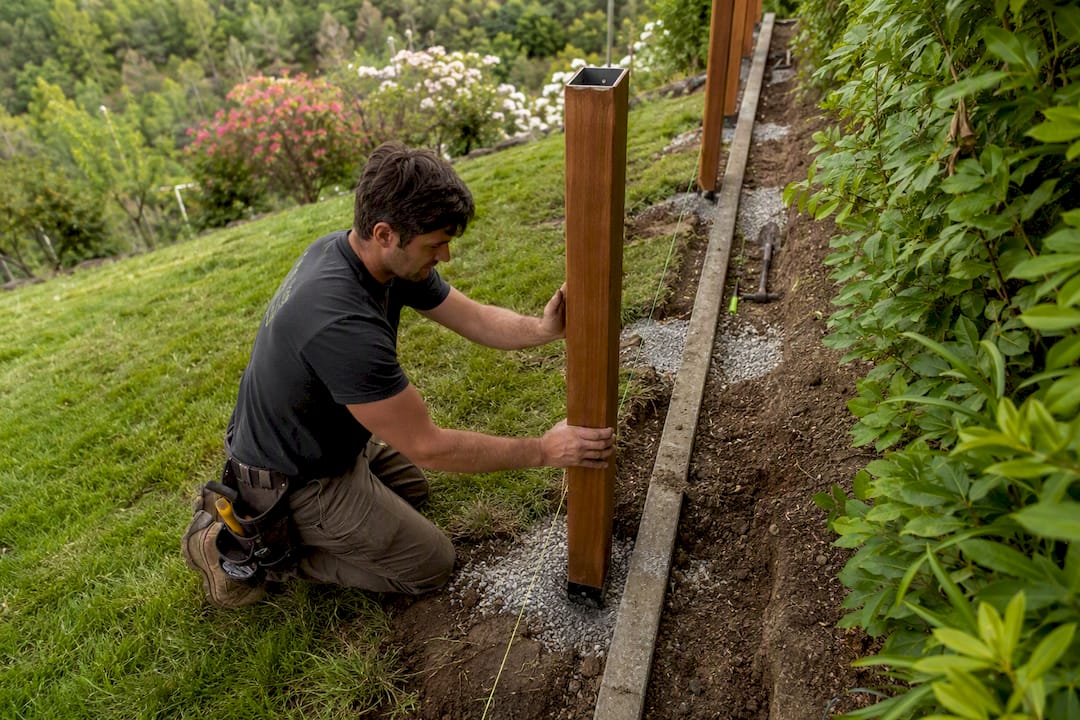
Installation quality matters just as much, and it’s invisible once the fence is up. Post depth, proper drainage at the base, and the choice between wood posts and steel u-channel posts often decide whether a fence dies at year 12 or year 22.
Wood grade plays its own role. Western Red Cedar with a higher heartwood content resists rot and warping far better than lower-grade cedar loaded with sapwood and knots. Ask your installer what grade they’re using, not just what species.
A few other factors that quietly shape lifespan:
- Shaded, north-facing runs stay damp longer and fail sooner than sun-exposed sections.
- Sprinkler heads that spray directly onto boards accelerate rot at the splash zone.
- Dense plantings pressed against the fence trap moisture against the wood.
- Poor soil drainage around posts is often the real culprit behind “cedar just doesn’t last.”
Pro Tip: Walk your fence line after a heavy rain. Standing water near any post is a five-year warning sign, not a someday problem.
Cedar Fence Lifespan: Maintained Versus Unmaintained
Numbers vary by source and by region, but the pattern holds across every credible estimate: maintenance roughly doubles the low end of cedar’s service life.
Cedar’s wide range exists because two variables pull in opposite directions: climate sets the ceiling, and post failure sets the floor. Regular staining and sealing adds roughly 8 to 12 years to the low end of that range, which is the whole argument for treating maintenance as non-negotiable rather than optional. Most cedar fences that fail early don’t fail because the boards rotted. They fail because a handful of posts gave out first.
A Seasonal Maintenance Schedule That Actually Works
Cedar fence maintenance isn’t complicated, but it does need to happen on a schedule instead of “whenever you notice something.”
Spring tasks:
- Inspect every post at the ground line for softness or discoloration.
- Check gate hinges and hardware for rust or looseness.
- Clean mildew and winter grime with a mild cleaner, not a pressure washer on high.
- Trim vegetation back at least a few inches from the fence line.
- Confirm soil around posts is draining and not pooling.
Fall tasks:
- Re-seal or plan a staining project if you’re at the 2 to 3 year mark.
- Add post sleeves or standoff brackets to any post showing early softness.
- Tighten hardware before winter freeze-thaw cycles start working screws loose.
Timing your first finish matters more than most people realize. Wait 4 to 8 weeks after installation, sometimes up to 90 days, before applying any stain or sealant. Fresh cedar carries natural surface oils that block absorption. Seal too early and the finish peels within a year.
For products, penetrating oil-based stains with UV blockers outperform film-forming finishes on cedar because they soak into the grain instead of sitting on top, where they crack. A mildewcide-based cleaner ahead of staining removes the organic growth that traps moisture underneath.
Pro Tip: If a board still feels oily to the touch, it’s not ready for stain yet, no matter how many weeks have passed. Let it weather until the surface feels dry and slightly rough.
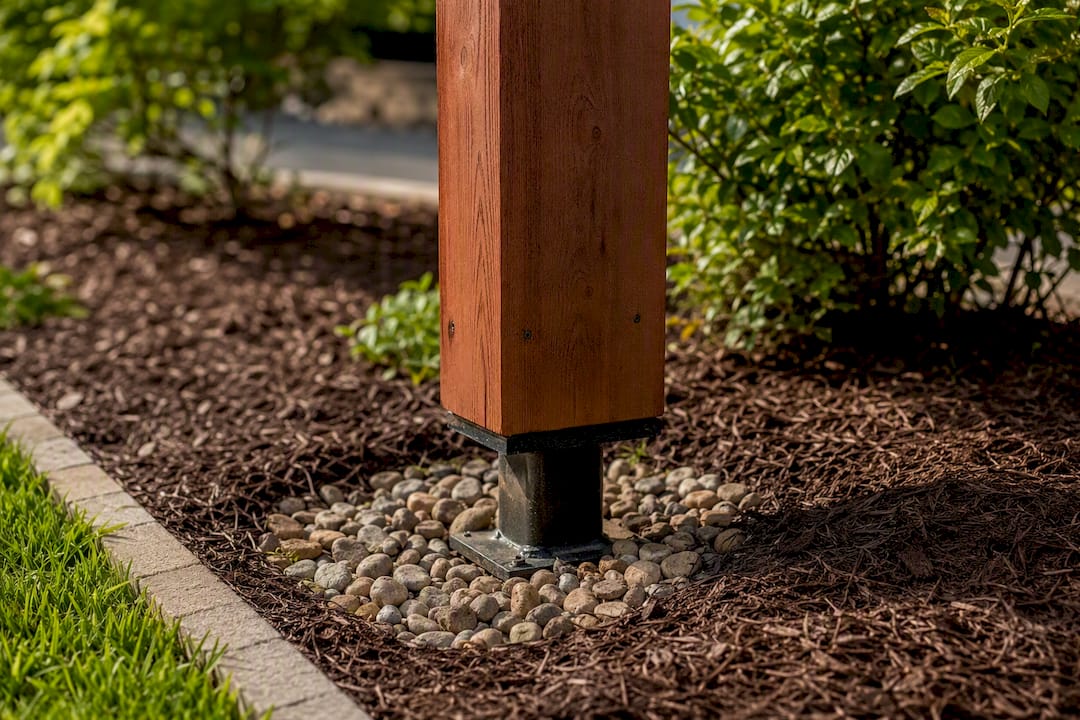
Post protection is where the real longevity gains live. Metal standoff brackets keep wood off the ground entirely. Gravel beds under posts, paired with concrete that still allows drainage, prevent the trapped-water problem that rots buried posts from the inside out. For homeowners who want the lowest possible failure risk, steel u-channel posts wrapped in cedar facing deliver cedar’s look without cedar’s post-rot vulnerability. When a project calls for that level of detail, it’s worth having a professional handle the fencing work rather than guessing at post specs.
Common Failure Points and When to Repair Versus Replace
Post rot at or below ground level causes most premature cedar fence failures, not board deterioration. Boards typically go gray within 3 to 6 months and fully weather within 1 to 2 years if left unsealed. That grayness is surface oxidation, not structural damage. But it does leave the wood more porous, which speeds up checking and moisture absorption over time.
By years 5 to 10, expect visible checking (small splits along the grain), some cupping in wider boards, and fading if no finish was ever applied. That’s cosmetic. Structural rot is a different signal entirely, usually showing up as soft, dark, spongy wood at the post base.
Here’s the practical rule:
- Rot confined to the bottom 6 to 12 inches of a post? A metal standoff bracket or spliced post section usually fixes it without replacing the whole run.
- Rot extending above grade, or multiple posts failing at once? Replace those posts fully. Bracing rotten wood above the ground line is a temporary patch, not a fix.
- Leaning sections, repeated board failures, or three-plus posts needing attention in the same year? That’s a full-replacement situation, not a repair project.
Materials Comparison: Where Cedar Fits
Cedar earns its popularity on looks and upfront price, not on being the lowest-maintenance option available.
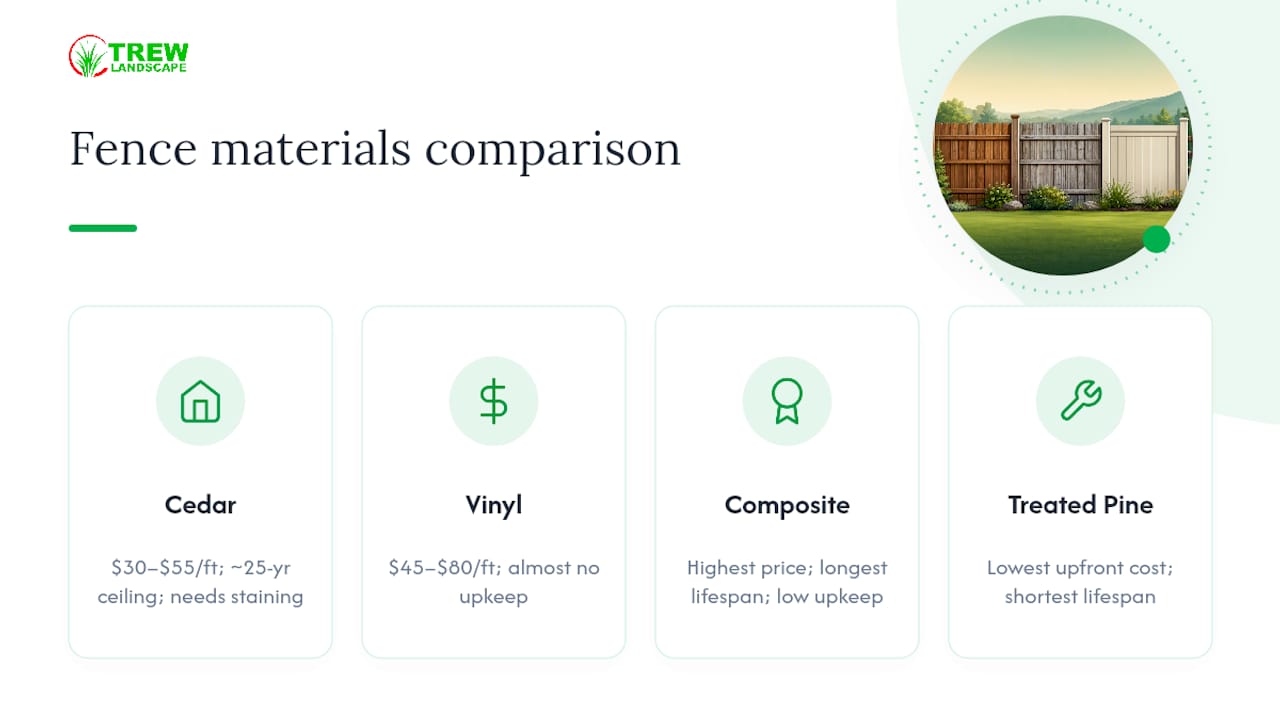
Western Red Cedar costs less to install (roughly $30 to $55 per linear foot) and offers the warmest natural appearance of any option here, but it demands a real staining commitment to hit its 25-year ceiling.
Redwood matches cedar’s rot resistance and often edges past it in humid climates, at a noticeably higher material cost.
Cypress performs well in wet regions thanks to natural rot resistance, though it’s harder to source outside the South and Southeast.
Pressure-treated pine costs the least upfront but has the shortest realistic lifespan of the wood options, especially unmaintained.
Vinyl (PVC) costs more installed (around $45 to $80 per linear foot) but needs almost no annual upkeep, which homeowners weighing long-term cost against cedar’s staining cycle often find appealing.
Composite sits at the top of both price and lifespan, trading a higher initial investment for the least maintenance of any material on this list.
Cedar’s staining costs over a decade narrow the price gap with composite considerably. If low maintenance matters more to you than a natural wood look, vinyl privacy fencing is worth a serious look before you commit to cedar’s upkeep cycle.
An Installer’s View on Why Cedar Fences Fail Early
Most premature failures we see trace back to one thing: posts set without real drainage or protection. Homeowners fixate on the boards, but the posts decide the fence’s fate. Getting that detail right at install is worth more than any stain you’ll ever apply.
Get Your Cedar Fence Installed Right the First Time
A cedar fence only hits that 15 to 25 year range when the posts go in correctly from day one, and that’s the part most DIY installs get wrong. Trew Landscape LLC handles cedar fence installation across Kansas City with proper post depth, drainage, and protection built in from the start, so you’re not fighting rot five years down the road. We also offer seasonal maintenance visits to keep staining schedules on track and catch post issues before they become full replacements.

If you’re planning a new fence or want an honest assessment of what’s salvageable on an existing one, visit our fencing services page to schedule a quote.
Sources
- How Long Does Each Type of Fence Last? Lifespan by Material — FenceAdvisors
- Cedar Fence Lifespan: How to Maximize Durability - Buyafence
- How to maintain a cedar fence: a handy guide — FenceArmor
- Cedar fencing guide — Picket Pros
- Cedar vs Composite Fence: The True 10-Year Cost Compared — VResh Construction
FAQ
What happens if you don’t seal cedar?
Unsealed cedar grays within 3 to 6 months and weathers fully within 1 to 2 years; the wood also absorbs more moisture, which speeds up checking and raises the risk of post rot.
What does a cedar fence look like after 2 years?
Without staining, expect a silvery gray surface color; with regular sealing, the wood typically retains much of its warm reddish-brown tone with minor surface checking.
What are the downsides of cedar wood?
Cedar requires a recurring staining and sealing schedule to hit its full lifespan, costs more in upkeep over time than vinyl or composite, and is vulnerable to post rot if drainage isn’t handled at installation.
How long will cedar last untreated?
Untreated cedar typically lasts 10 to 15 years before significant rot or structural issues develop, though this varies by climate and how the posts were installed.