
Trew Landscape Blog
Avoid Winter Plant Losses: Kansas City 2026 USDA Zones and Yard Fixes
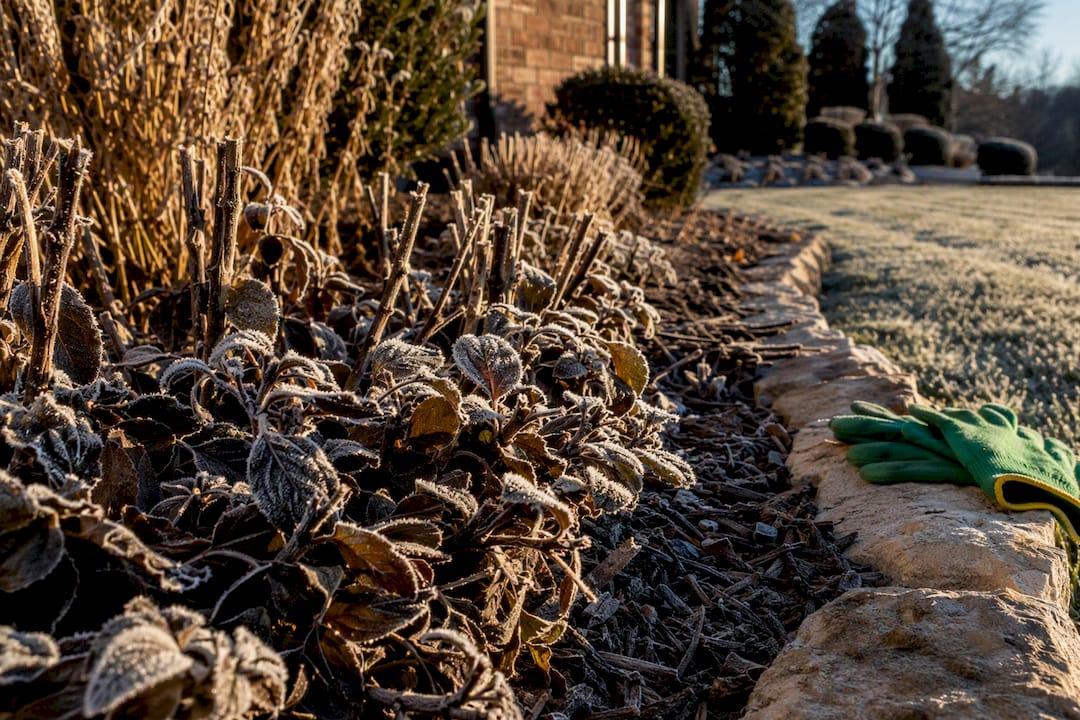
Avoid Winter Plant Losses: Kansas City 2026 USDA Zones and Yard Fixes ! Frost-covered shrub in Kansas City winter yard Most of Kansas City sits in USDA Hardiness Zone 6b, with cooler pockets running to 6a in outlying areas and some small warm spots reaching into 7a downtown.
Avoid Winter Plant Losses: Kansas City 2026 USDA Zones and Yard Fixes
Most of Kansas City sits in USDA Hardiness Zone 6b, with cooler pockets running to 6a in outlying areas and some small warm spots reaching into 7a downtown. The zone determines which perennials and trees survive winter, not which ones simply grow in summer. Because your exact spot can shift by a half-zone depending on pavement, elevation, and shelter, the safest move is to check your ZIP code on the USDA Plant Hardiness Zone Map and, when in doubt, plant for the colder zone.
TL;DR:
- Microclimates caused by urban heat, elevation, and shelter can result in property zones differing by at least half a zone within the same neighborhood.
- Confirm your specific zone using the USDA map by ZIP code, but always consider local microclimates for accurate planting decisions.
- Planting conservatively by selecting species rated for one zone colder than the map indicates reduces winter damage risks caused by rapid temperature swings.
- Proper site assessment and staged planting practices are essential for ensuring plant survival and establishing resilience against Kansas City’s variable winter conditions.
Table of Contents
- What the 2023 USDA Plant Hardiness Zone Map Means for Kansas City
- Kansas City Zone Snapshot: 6a, 6b, and Localized 7a Pockets
- How to Find Your Exact Planting Zone
- Microclimates in Kansas City: What Shifts Your Practical Zone
- Planting Implications and Selection Tips for Kansas City Gardeners and Landscapers
- Month-by-Month Planting and Care Checklist for Kansas City
- How Professionals Apply Zone Guidance on Kansas City Sites
- Why Conservative, Resilience First Planting Wins in Kansas City
- Sources
- FAQ
What the 2023 USDA Plant Hardiness Zone Map Means for Kansas City
The current map reflects 30 years of winter low temperatures, from 1991 through 2020, processed through GIS mapping that USDA’s Agricultural Research Service built with Oregon State University’s PRISM Climate Group. The 2023 update pulled data from 13,412 weather stations, nearly double the roughly 7,983 used for the 2012 map, and that extra data resolved much finer detail at the city and neighborhood level.
Half-zones matter more than people assume. A shift from 6a to 6b represents a small difference in average extreme minimum temperature, but that’s often the gap between a shrub surviving a hard winter and losing its root system entirely. About half the country moved up one half-zone in the 2023 revision, and Kansas City’s urban core is part of that warming pattern, which is exactly why an address downtown can read differently than one fifteen miles out.
Kansas City Zone Snapshot: 6a, 6b, and Localized 7a Pockets
Zone 6b covers the bulk of the metro, from the urban core through most established residential neighborhoods on both sides of the state line. Cooler, more exposed areas on the city’s edges tend to read as 6a, while sheltered, paved sections of downtown and some south-facing sites can register as isolated 7a pockets. Local mapping tools that break zones down by ZIP code show this patchwork clearly, and it lines up with what the University of Missouri Extension found statewide: Missouri now spans zones 5b through 7b, with most of the state landing in 6a and 6b.
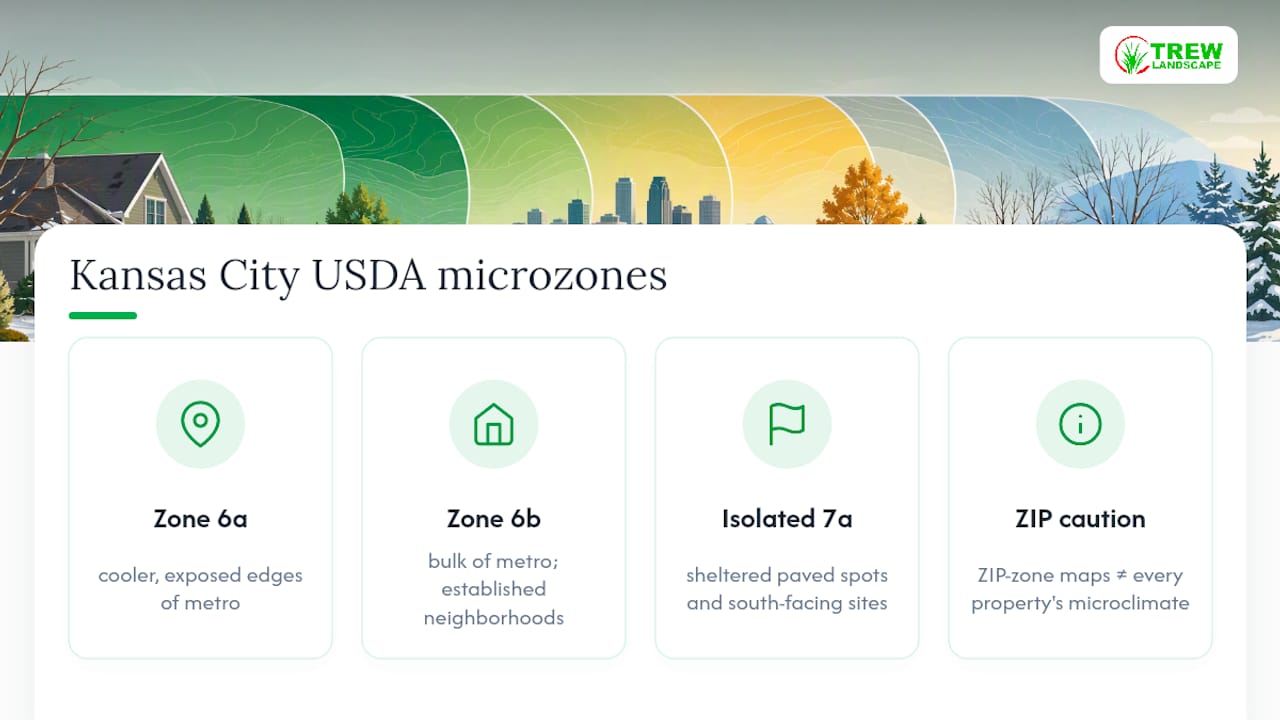
Don’t assume your whole property matches your ZIP code’s dominant zone. A shaded north slope and a heat-trapping south wall on the same lot can differ by a full half-zone or more.
How to Find Your Exact Planting Zone
Confirming your specific half-zone takes about two minutes on the USDA Plant Hardiness Zone Map. Here’s the process:
- Enter your ZIP code in the quick search box on the USDA site for an instant zone reading.
- Zoom into the interactive map layer to see how your block compares to surrounding neighborhoods.
- Use the Map Downloads section to pull a higher-resolution state map if you want more geographic context.
- Cross-check your result against K-State Extension’s local guidance, since extension agents track how the map performs against real planting outcomes.
Even the improved 2023 data can’t capture a microclimate the size of your backyard. Treat the ZIP-level result as a starting point, not a final answer.
Microclimates in Kansas City: What Shifts Your Practical Zone
Urban heat islands, concrete, and elevation all push a property’s real-world zone away from what the map shows. Pavement and brick absorb heat during the day and release it slowly overnight, which is why dense downtown blocks often behave a half-zone warmer than open suburban lots. Proximity to the Missouri and Kansas Rivers moderates temperature swings slightly, while higher, wind-exposed ground loses that buffer and runs colder.
A few quick checks tell you where your property actually falls:
- Track your yard’s actual winter lows with a simple outdoor thermometer over a season or two.
- Compare a sheltered spot near a south-facing wall against an open, wind-exposed corner of the same lot.
- Push a soil thermometer a few inches down in late winter to see how quickly your ground actually warms.
Pro Tip: If a spot near your house consistently reads five degrees warmer than your open yard in winter, treat it as one half-zone warmer for plant selection, but don’t extend that same leniency to an exposed corner nearby.
Planting Implications and Selection Tips for Kansas City Gardeners and Landscapers
Plant tags list a hardiness range, but that range assumes average conditions, not Kansas City’s habit of swinging 40 degrees in 48 hours. K-State Extension points to these rapid swings, not the coldest single night, as the main reason plants die here. That’s the core case for buying conservatively.
- Read the tag’s lower number, not the upper one. If a plant is rated “zones 6 to 9,” that 6 is your real ceiling in a hard winter, not a comfortable margin.
- Favor native and regionally adapted species. They’ve already weathered Missouri’s freeze thaw cycles and generally shrug off swings that stress imported ornamentals.
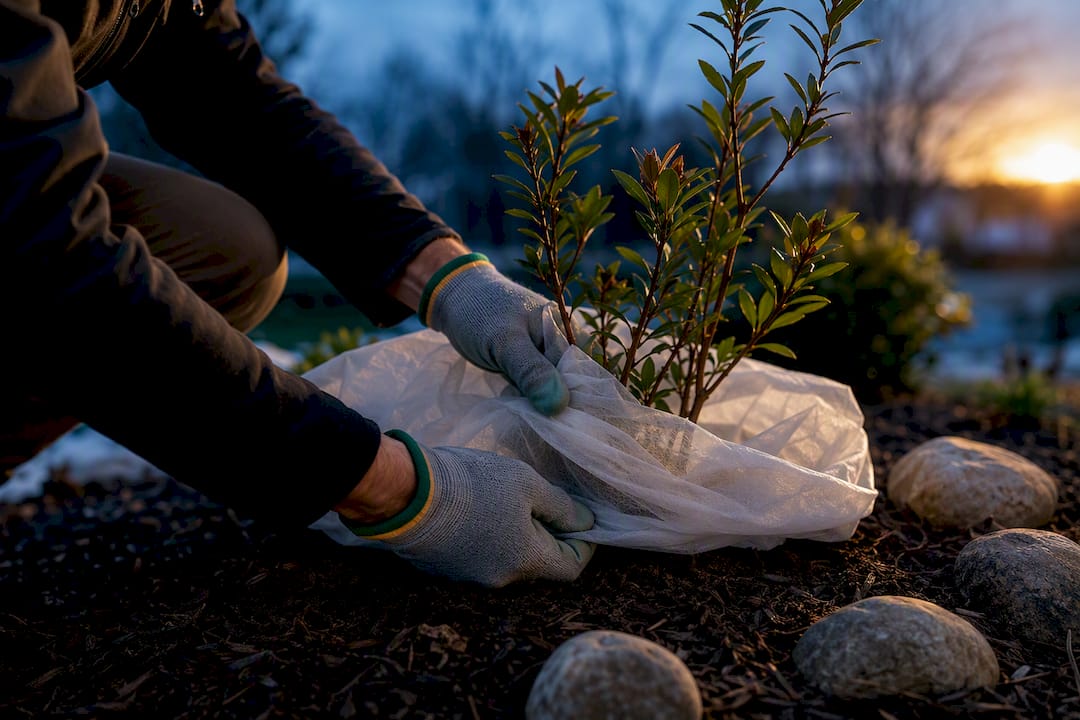
- Protect tender plantings through the first two winters. Four inches of mulch over the root zone, plus frost cloth on nights below 25°F, gets young plants through their vulnerable stretch.
- Orient new plantings away from harsh west exposure when possible, since that’s where afternoon sun and reflected heat do the most winter desiccation damage.
- Match the plant to your drainage, not just your zone. A hardy species in soggy clay can fail even in its correct half-zone, so soil prep matters as much as the zone number.
For high-value trees or specimen perennials you’re not planting again, professionals often size up in hardiness by a half-zone specifically to absorb a bad winter.
Month-by-Month Planting and Care Checklist for Kansas City
Kansas City’s growing calendar runs on Zone 6a and 6b timing, with a wide margin built in for late freezes.
- Late February to March: Prep beds, direct-sow cold-tolerant crops, and hold off on tender transplants. Frost can still hit into mid-April.
- April to May: Move warm-season transplants outside after the last frost date passes, and this is prime sod installation season while soil temperatures climb.
- June to August: Focus irrigation on new plantings and sod, and skip new woody plant installation during peak heat since root establishment struggles above 90°F.
- September to October: This is the best window for new trees, shrubs, and perennials, since cooling soil and steady moisture favor root growth before dormancy.
- November to December: Mulch root zones, wrap or shelter marginal plants, and finish any dormant-season pruning.
- January: Plan next year’s beds, order seed, and review which plantings struggled, since that tells you more about your yard’s real microclimate than any map.
How Professionals Apply Zone Guidance on Kansas City Sites
A proper site survey looks past the ZIP-code zone entirely. Crews check sun exposure through all four seasons, note nearby heat sources like driveways and south-facing brick, test drainage after a hard rain, and mark natural windbreaks or exposed corners that shift a planting’s real-world hardiness.
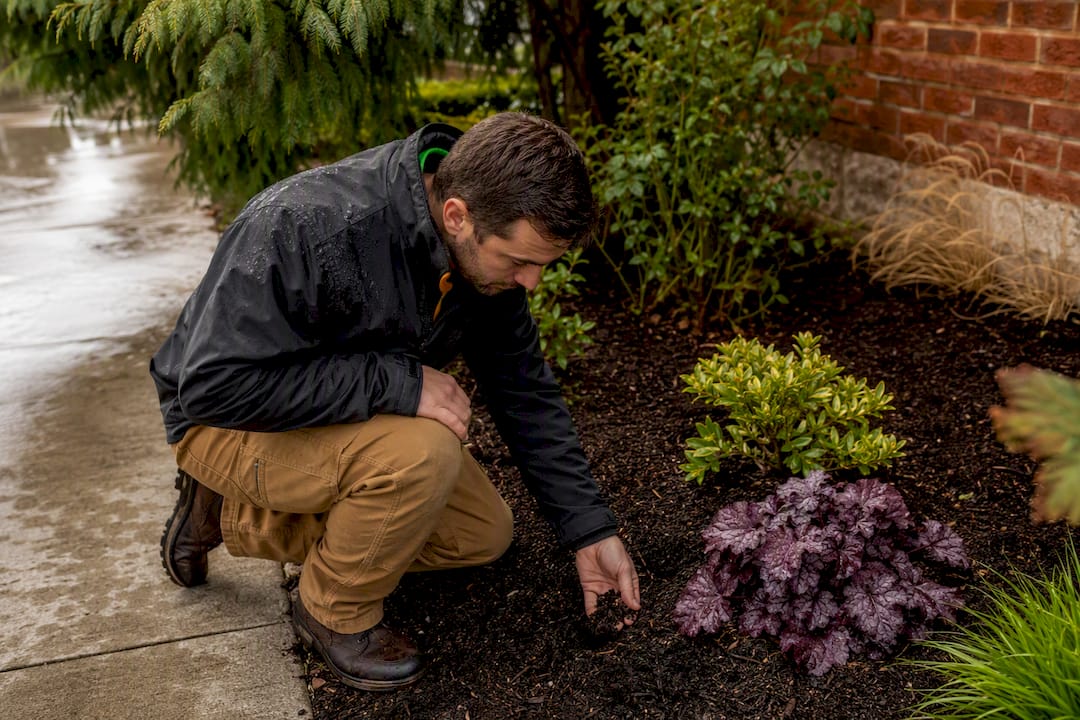
Professionals apply that same site-by-site read on Kansas City properties, timing installations around root establishment windows, prepping the root zone before anything goes in the ground, and using temporary covers on nights when a late freeze threatens new plantings, following plant installation best practices for lasting results. That approach, paired with staged irrigation through the first season, is what separates a planting that survives its first winter from one that doesn’t. Landscaping guidance on managing yard maintenance across Kansas City conditions covers more of how sun, soil, and drainage interact on real sites.
Why Conservative, Resilience First Planting Wins in Kansas City
Stretching a plant’s hardiness rating because the tag technically allows it is how expensive trees die in year two. The smarter bet is picking species with a documented buffer against Kansas City’s swings, then verifying your yard’s actual microclimate before committing anything permanent to the ground. For a patio planting, a new bed, or a full landscape overhaul, get a professional site read before you plant something you can’t afford to lose. Trew Landscape LLC’s landscape design services start with exactly that kind of site assessment.
— Trew Landscape LLC
Sources
- USDA Plant Hardiness Zone Map
- USDA Unveils Updated Plant Hardiness Zone Map : USDA ARS
- Hardiness Zones Can be Confusing | K-State
- Missouri sees changes in updated plant hardiness zone map
FAQ
Is Kansas City Zone 6a or 6b?
Most of Kansas City falls in Zone 6b, but northern and eastern edges of the metro often read as 6a, and a few sheltered downtown spots reach 7a.
What Zone Am I in Kansas City, MO?
Enter your ZIP code into the USDA Plant Hardiness Zone Map for an instant answer, then check nearby buildings, pavement, and slope for microclimate shifts the map can’t capture.
Is Missouri in Zone 6?
Most of Missouri falls in zones 6a and 6b, though the state spans 5b through 7b overall according to University of Missouri Extension.
What Are the Best Planting Zones Across Kansas?
Kansas spans zones 5b through 7a west to east, with the Kansas City metro area on the Kansas side generally matching the 6a and 6b readings found on the Missouri side of the state line.
Recommended
- Cut Yard Work: Kansas City Landscaping Ideas for North KC
- Front Yard Landscaping Ideas for Kansas City Homes 2026
- Kansas City Extreme Heat Landscaping Plan: How Crews Protect Plants, Sod, and Hardscapes in July 2026
- How to Design Native Front Yard Landscaping in Kansas City That Looks Intentional, Not Overgrown