
Trew Landscape Blog
A Low Maintenance Landscaping Plan That Actually Cuts Chores
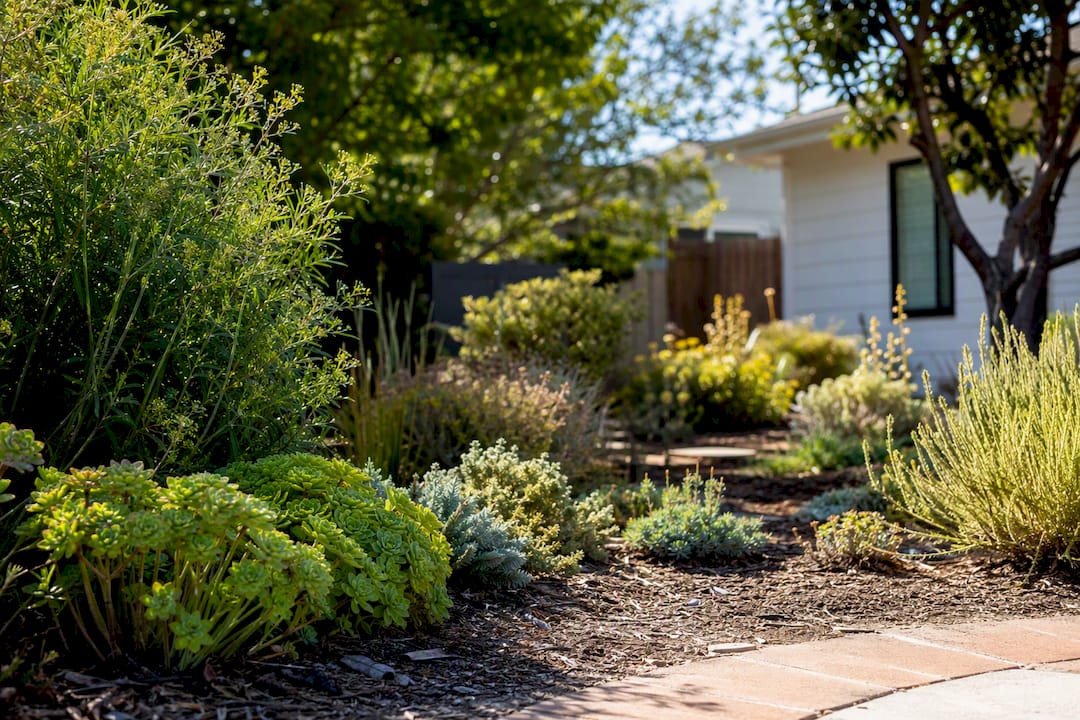
A Low Maintenance Landscaping Plan That Actually Cuts Chores ! Native drought-tolerant plants in a low-maintenance yard No yard runs itself, but you can get close.
A Low Maintenance Landscaping Plan That Actually Cuts Chores
No yard runs itself, but you can get close. The fastest path to a low maintenance landscaping setup combines three moves: shrink the lawn, add durable hardscape, and plant natives or slow growers suited to your site. Expect real work during the first season while plants establish, then a shift to occasional seasonal tasks instead of weekly ones.
TL;DR:
- Shrinking your lawn and converting those areas into beds or hardscapes provides the highest time savings with low to medium costs.
- Placing durable hardscape features like patios or gravel paths in zones where grass struggles immediately reduces mowing and reseeding efforts.
- Choosing native, regionally adapted plants suited to lighting conditions decreases ongoing maintenance by reducing the need for fertilizers and pest control.
- Using groundcover or mulch over bare soil effectively prevents weeds, cutting down on manual weeding and soil disturbance.
- Proper site-first design, durable materials, and intentional bed layouts ensure low maintenance from the start, avoiding costly and frequent repairs later.
Table of Contents
- Low Maintenance Landscaping Ideas That Save the Most Time
- Which Plants Actually Reduce Yard Work
- Hardscaping and Lawn Alternatives Worth the Investment
- Smarter Watering Without the Daily Hassle
- Mulch and Groundcover: Your Best Weed Defense
- Design Rules That Make a Small Plant Palette Look Intentional
- What a Realistic Maintenance Schedule Looks Like
- How Trew Landscape LLC Builds for Low Maintenance From Day One
- Why We’d Rather Build It Right Than Build It Fast
- Let Trew Landscape LLC Handle the Install
- Sources
- FAQ
Low Maintenance Landscaping Ideas That Save the Most Time
Not every change pays off the same. Some ideas cut hours of yearly work; others just look nice. Here’s a ranked list, starting with the moves that save the most time relative to what they cost.
- Shrink your lawn footprint. Turf is the highest-maintenance surface in most yards, between mowing, edging, fertilizing, and watering. Convert a significant portion of non-functional lawn (side yards, slopes, awkward corners) to beds or hardscape. Cost: low to medium. Effort saved: high.
- Create a xeriscaped zone for the sunniest, driest part of the yard. Group drought tolerant plants like succulents, ornamental grasses, and native perennials where irrigation is weakest anyway. Xeriscaping is widely considered the closest practical version of a no-maintenance landscape, though it still needs seasonal cleanup.
- Mass-plant a limited palette instead of a mixed border. Five plant varieties repeated in blocks are easier to care for than fifteen scattered types, since you learn one set of watering, pruning, and pest habits instead of a dozen.
- Lay mulch or groundcover over bare soil. Bare dirt grows weeds. Mulched or groundcover-covered soil mostly doesn’t.
- Install continuous edging between beds and lawn. A clean physical border stops grass from creeping into beds and stops mulch from spilling onto grass, cutting the trimming work down to almost nothing.
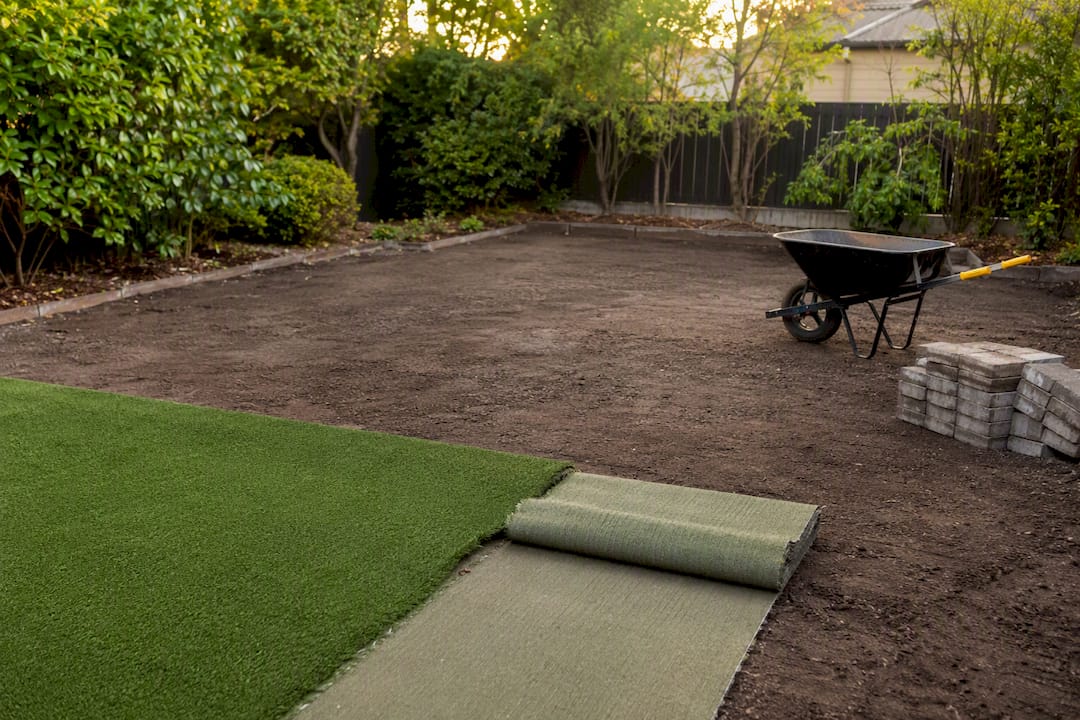
- Consider artificial turf for small, high-traffic, low-light patches. Artificial turf installation works well for dog runs, shaded side yards, or small backyards where real grass never thrives, though it still needs occasional rinsing and debris removal.
Pro Tip: Start with the highest-impact 20% of your yard, usually the largest lawn section or the messiest bed, rather than trying to redo everything in one season. A phased approach delivers most of the maintenance savings for a fraction of the upfront cost.
Which Plants Actually Reduce Yard Work
Plant choice makes or breaks a low maintenance yard design more than any hardscape decision. The wrong plant in the wrong spot means constant pruning, replacing, or babying, no matter how good your irrigation system is.
Native and regionally adapted perennials top the list for good reason. They’ve evolved alongside local pests, soil, and rainfall patterns, so they typically need less fertilizer, fewer pesticide applications, and less supplemental water once established, according to University of Maryland Extension. Annuals look great for a season but require replanting every year, which is exactly the kind of recurring labor low maintenance landscaping is meant to eliminate. Perennials, ornamental grasses, and succulents earn their keep by coming back on their own.
Match plants to light before anything else:
- Full sun: coneflower, black-eyed Susan, sedum, ornamental grasses, and most succulents.
- Part shade: hosta, coral bells, ferns, and many native groundcovers.
- Full shade: wild ginger, hellebore, and shade-tolerant sedges.
Spacing matters more than most homeowners expect. Plants set too close together look full the first year and then turn into a pruning project by year three, once they hit mature size and start crowding each other. Check the tag for mature spread, not just current pot size, and plant accordingly even if the bed looks sparse at first.
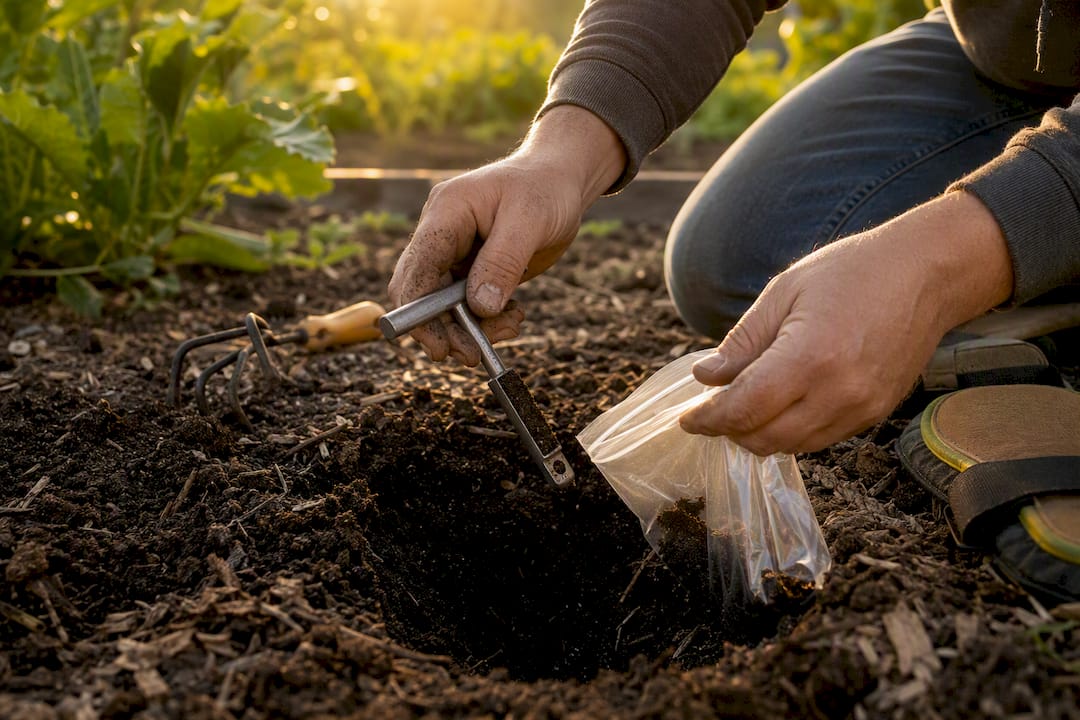
Before planting anything, test your soil. Amending compacted or nutrient-poor soil with organic matter up front dramatically improves how well new plants establish, which means fewer replacements and less supplemental watering down the road. Group plants with similar water needs together too. A drought-tolerant sedum planted next to a thirsty hydrangea means one of them is always struggling. For homeowners planning a native-heavy front yard, a native front yard design approach shows how this pairing works in practice without looking patchy.
Hardscaping and Lawn Alternatives Worth the Investment
Hardscape is the single biggest lever for reducing weekly maintenance because it doesn’t grow, wilt, or need water. Properly installed patios, paths, and paver areas cut mowing, edging, and the endless cycle of reseeding bare patches, according to ProGreen Outdoors.
Material choice changes the upkeep math considerably:
- Poured concrete lasts decades with minimal attention, though it can crack in freeze-thaw climates and is harder to repair piecemeal.
- Pavers set in sand look great and drain well, but may need occasional releveling as the base settles over the years.
- Compacted gravel paths are the cheapest option and drain naturally, though they need periodic raking and edging to stay tidy.
- Mortared stone is the most durable and closest to zero maintenance, at the highest upfront cost.
Place hardscape where lawn already struggles: shaded strips along the house, slopes too steep to mow safely, or high-traffic paths that turn to mud every spring, as detailed in these backyard landscaping ideas for Austin pool owners. A mowing strip, a narrow band of pavers or concrete set flush between a bed and the lawn, lets a mower wheel roll right along the edge, eliminating hand trimming almost entirely.
Artificial turf fits a narrower use case: small yards, shaded areas where grass won’t grow, or high-wear zones like a dog run. It still needs occasional rinsing, brushing, and debris removal, detailed in this artificial turf maintenance guide, so it trades one kind of upkeep for a lighter one rather than eliminating it. Whatever you install, get the grading right first. Poor drainage under a patio or gravel path causes pooling and erosion that costs far more to fix later than it would have to grade correctly during installation.
Smarter Watering Without the Daily Hassle
Grouping plants by water need, sometimes called hydrozoning, is the single biggest watering time-saver available. Once beds are zoned, a simple system handles the rest.
- Run drip irrigation to planting beds and low-flow emitters to shrubs. Both put water at the root zone instead of spraying it into the air, cutting waste and eliminating hand-watering.
- Install a smart controller with a rain sensor so the system skips watering after storms and adjusts automatically by season.
- Water new plants more heavily for the first six to eight weeks, then taper as roots establish. By year two, most natives and drought tolerant plants need little beyond rainfall.
Pro Tip: Once a month, walk your zones and check the soil two inches down with a finger or trowel. If it’s still damp, cut that zone’s runtime, since overwatering is a bigger cause of plant failure than underwatering in most established beds.
Mulch and Groundcover: Your Best Weed Defense
A 2 to 4 inch layer of mulch conserves moisture and blocks weed seeds from germinating, cutting hand-weeding dramatically, per MU Extension. Organic mulch (wood chips, shredded bark) breaks down and feeds the soil but needs refreshing yearly. Inorganic rock mulch lasts far longer but does nothing for soil health and can trap heat against plant stems.
- Groundcovers like creeping thyme or sedum fill in over one to two seasons and choke out weeds on their own once established.
- Landscape fabric works best under mulch as a short-term weed barrier, not as a permanent substitute. It degrades and often surfaces weeds anyway within a few years.
- Rake and remove debris from rock mulch each fall so it doesn’t trap organic matter that eventually grows weeds anyway.
Design Rules That Make a Small Plant Palette Look Intentional
A handful of design habits do more for a “put-together” look than adding more plants ever will.
- Group in odd numbers. Threes and fives read as intentional; pairs and even numbers read as random.
- Repeat the same few plants across every bed. It simplifies care, since you’re learning one watering and pruning routine instead of ten, and it makes the whole yard read as cohesive.
- Keep bed edges continuous and mower-accessible. Curvy, disconnected beds create hand-trimming work; long, simple edges don’t, according to Clemson HGIC.
- Layer height instead of variety. A tall grass, a mid-height shrub, and a low groundcover create visual depth with three plants instead of ten.
- Save high-maintenance features for one or two spots. If you love roses or a formal hedge, keep them contained to a single accent bed rather than spreading that upkeep across the whole yard.
Pro Tip: Walk the yard before you buy plants and mark where a mower or trimmer physically has to go. Any bed shape that forces a machine to stop and back up is a shape that will eventually get hand-trimmed instead.
What a Realistic Maintenance Schedule Looks Like
The first year is the honest cost of a low maintenance yard. New plants need consistent attention while roots establish; after that, the workload drops fast.
- Months 1 to 3: Water new plantings weekly (more in hot weather), check for transplant shock, and pull weeds before they set seed.
- Months 4 to 12: Taper to biweekly, then monthly checks as roots take hold.
- Spring: Cut back perennials, refresh mulch, and check irrigation lines for winter damage.
- Summer: Spot-check irrigation zones and deadhead spent blooms if you want continued flowering.
- Fall: Prune dormant shrubs, top up mulch, and clear rock beds of leaf debris.
- Winter: Little to nothing, beyond checking hardscape for cracking or heaving.
Budget for an annual pro visit even in a low maintenance design, particularly for irrigation servicing, structural pruning, or hardscape repair. A well-built patio needs almost no attention, but a poorly graded one needs regrading, which isn’t a DIY afternoon project.
How Trew Landscape LLC Builds for Low Maintenance From Day One
Trew Landscape LLC designs with the end maintenance load in mind, not just the install-day photo. That means landscape design built around your site’s actual sun, drainage, and soil instead of a generic plant list, hardscaping using materials chosen for longevity over the cheapest upfront price, and bed edges laid out for mower access from the start.
- Site-first design that matches plant choices to sun, shade, and drainage patterns already on the property.
- Durable hardscape materials selected for decades of service, not just the first few years.
- Mowing-friendly bed edges built in during installation, not added as an afterthought.
- Phased installs that let homeowners spread cost over multiple seasons.
Grading, drainage correction, and irrigation zoning are the tasks where a professional’s experience saves real money, since mistakes here are expensive to undo once plants are in the ground.
Why We’d Rather Build It Right Than Build It Fast
We’ve watched homeowners chase quick fixes, cheap mulch, a patchwork of annuals, that need constant redoing within a year. The yards that actually stay low maintenance are the ones built with intention from the start: one property we worked on replaced a struggling shade lawn with a gravel path and native groundcover, cutting that section’s care down to an annual leaf cleanup. Start with the section that bothers you most, prove the concept works, then expand from there.
— Trew Landscape LLC
Let Trew Landscape LLC Handle the Install
Trew Landscape LLC is the option for homeowners who want the grading, drainage, and plant placement done right the first time instead of learning those lessons the expensive way. Between landscape design, hardscape installation, sod installation, and artificial turf, a single crew can handle every piece of a low maintenance yard conversion instead of coordinating separate contractors for each phase.
Serving Kansas City and North Kansas City, Trew Landscape LLC typically starts with a site visit to assess soil, drainage, and sun exposure before recommending a phased plan that fits your budget rather than pushing a full-yard overhaul at once. If a shrinking lawn, a new patio, or a native plant conversion is on your list this year, request a quote through the full services page and get a straightforward assessment of what your yard actually needs.
Sources
- Low-Maintenance Landscaping | MU Extension (G6902)
- Landscape designs using native plants | University of Maryland Extension
- Low-maintenance landscape ideas | Clemson HGIC
FAQ
What is the lowest maintenance landscaping?
Xeriscaped zones with native, drought tolerant plants and hardscape paths generally require the least ongoing work, though even xeriscaping still needs seasonal cleanup and occasional pruning.
What is the least expensive landscaping?
Gravel paths, mulch beds, and mass-planted native perennials cost far less upfront than pavers or turf conversions, and they scale easily if you install them in phases.
What is no-maintenance landscaping called?
There’s no true no-maintenance landscape; the closest recognized term is xeriscaping, which minimizes but does not eliminate seasonal upkeep like weeding and pruning.
What is the rule of three in landscaping?
The rule of three groups plants in odd numbers, typically threes or fives, because odd groupings read as intentional and cohesive rather than random or scattered.